

Planet
Reducing our environmental footprint and contributing to a circular, low-carbon economy.
Cromology aims to sustainably reduce the environmental impact of its activities and complies with regulatory standards whilst striving to exceed them. Since 2020, reducing greenhouse gas emissions has been a key focus of the CSR roadmap, underpinned by concrete actions targeting the main levers identified.
Objectives
Fostering the circular economy — Incorporating recycled materials into our products and packaging to reduce their environmental impact.
Reducing greenhouse gas emissions — Defining actions and a clear pathway to reduce GHG emissions in order to help mitigate climate change.
Recycle and optimise water and waste — Ensure absolute frugality in water consumption / Improve the recycling and reuse of waste.
Preserving biodiversity — Assessing the impact of raw material and packaging suppliers further up the supply chain, and developing partnerships with NGOs to preserve resources.

Initiatives
Circular economy and responsible products
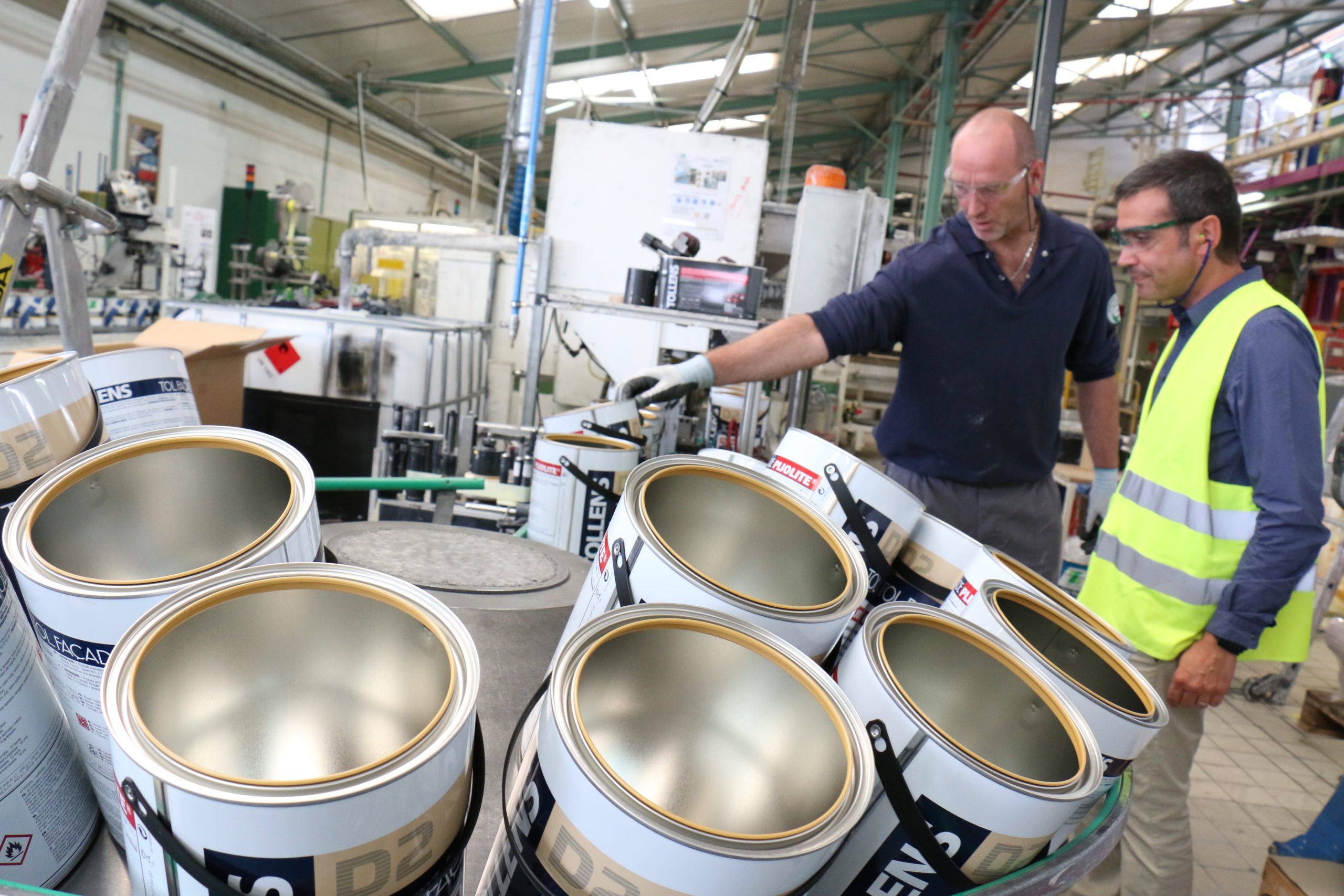
Sustainable resource management and the development of responsible products are key priorities for Cromology. 96 per cent of the Group’s paints are water-based and 58 per cent of sales carry an eco-label. Cromology is developing paints that use bio-based binders instead of fossil-based binders, thereby reducing the carbon footprint of its products. All European sites use recycled plastic s in primary packaging (1,069 tonnes recycled in 2024).
Waste management
All the Group’s subsidiaries comply with local waste management regulations and practise waste sorting at all sites. In partnership with EcoDDS in France since 2019, Cromology has rolled out the Rekupo scheme — free collection bins — at 271 Tollens and Zolpan retail outlets (90 per cent of outlets in mainland France). Since 2019, 961 tonnes of waste from the building sites of both business and private customers have been collected in this way.
Water resources
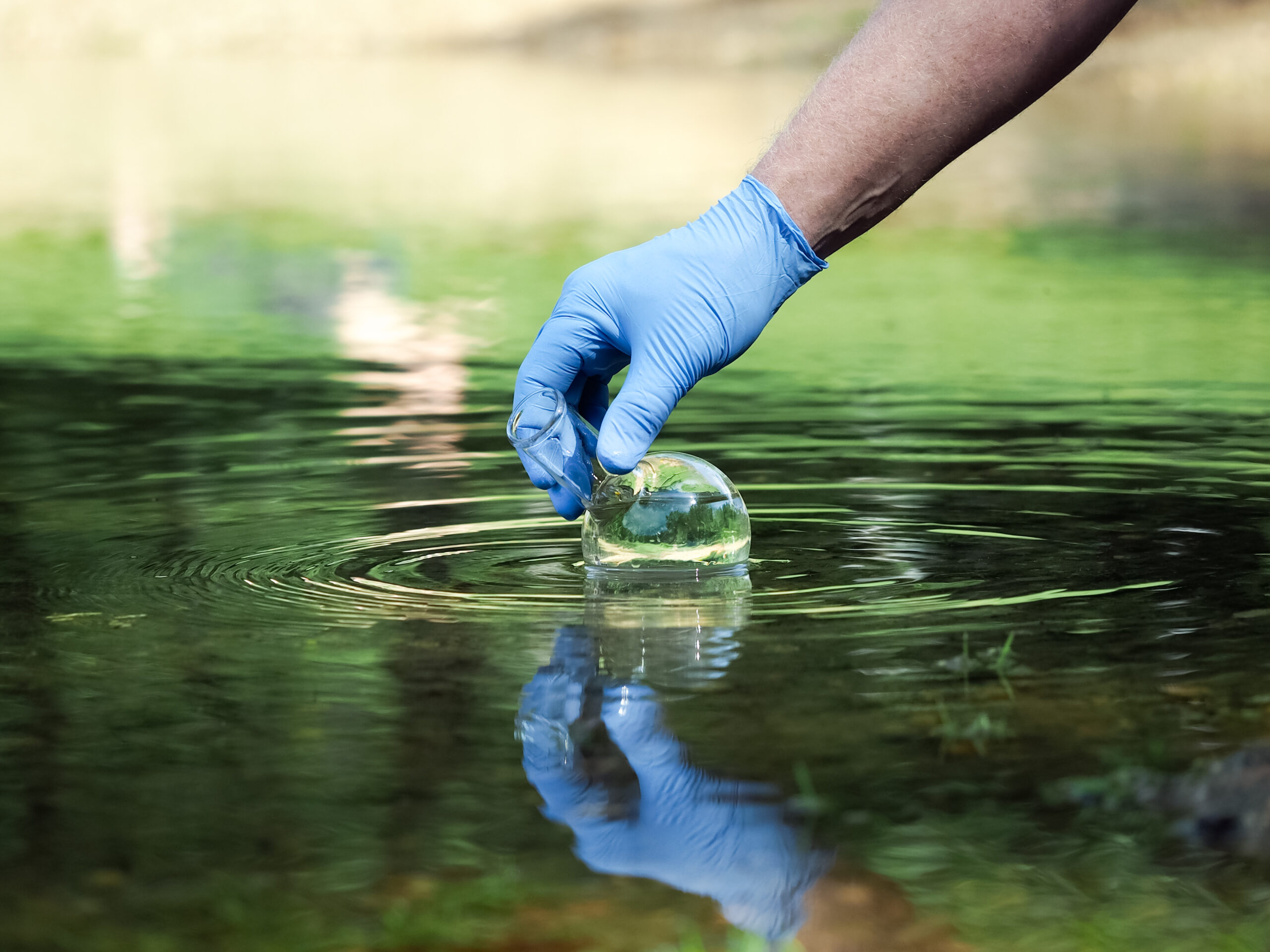
Industrial sites measure and monitor their water consumption on a monthly basis. The Wormhout plant recycles its process water using a flocculation/nanofiltration system, enabling 3,312 tonnes of water to be reused in production by 2024. Cromology plans to roll out this solution to other sites.
Reduction of GHG emissions
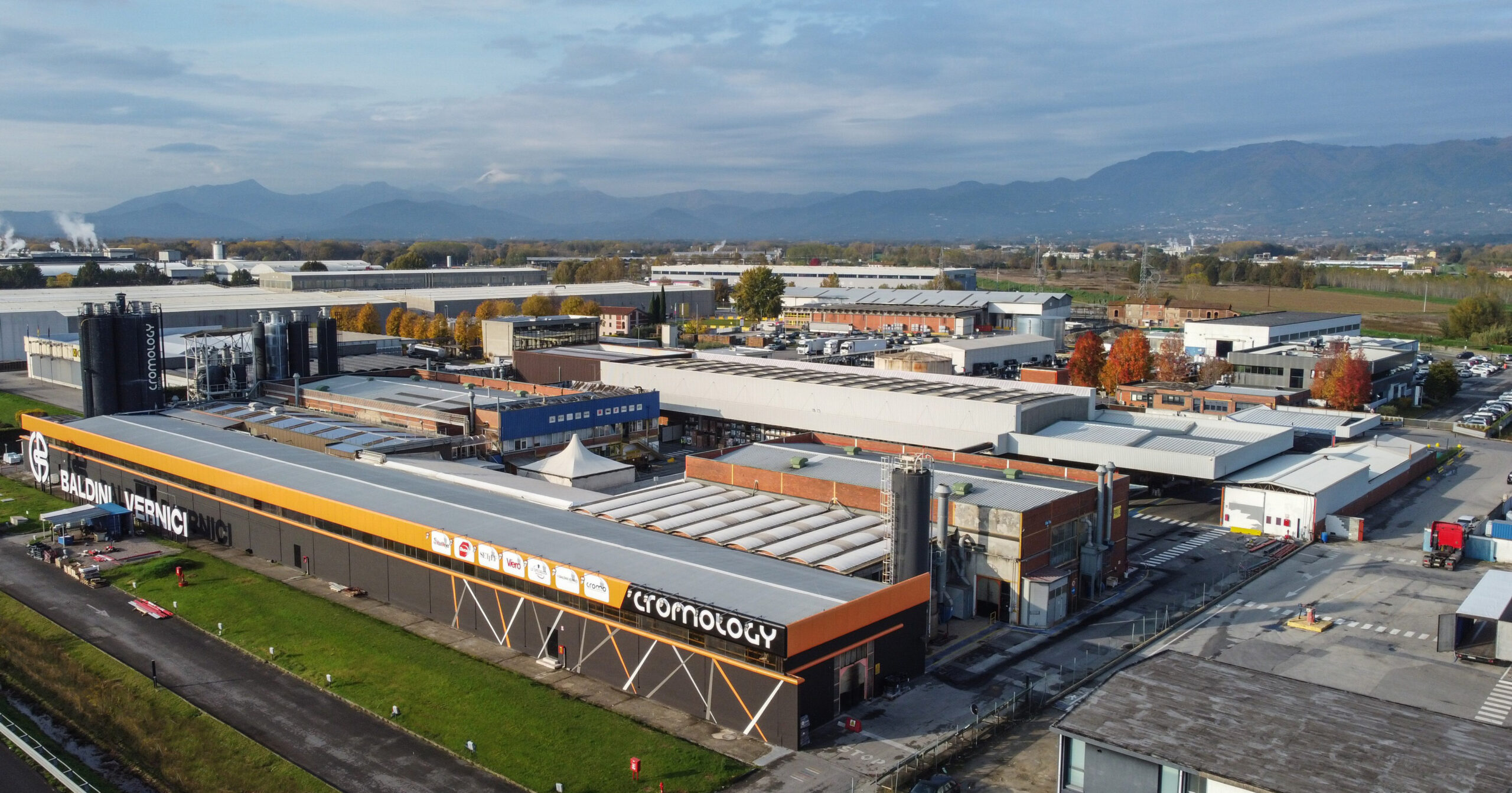
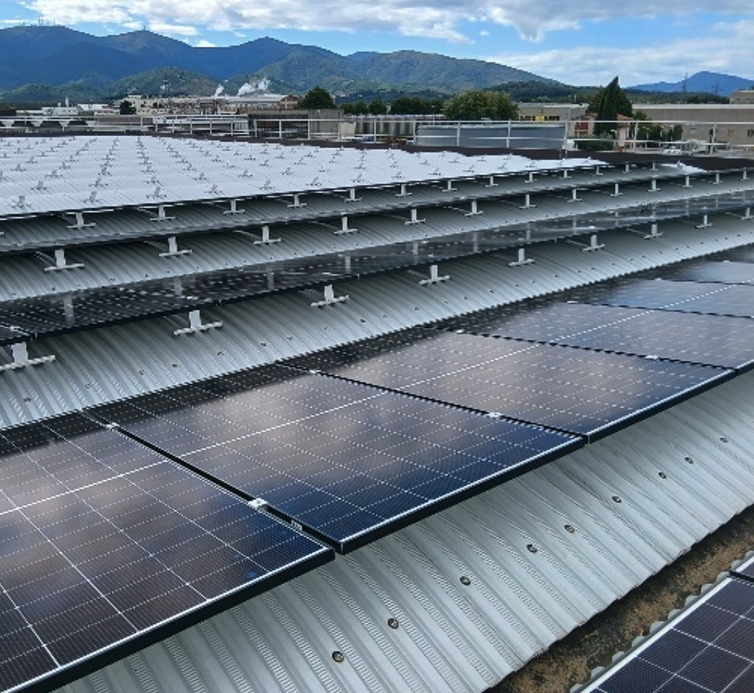
As a player in the paint industry, Cromology recognises its responsibility for greenhouse gas emissions. The Group carries out an annual carbon assessment and has launched an initiative with its 25 key suppliers — representing over 70 per cent of emissions linked to the procurement of raw materials and packaging — to define joint progress plans. Solar panels will be installed at the Porcari (Italy) and Lisbon (Portugal) sites in 2025, with operations set to begin in 2026.
Biodiversity
In 2024, Tollens launched a partnership with the NGO One Tree Planted: for every pot sold from the Soin du Bois range, a tree is planted. A donation of 18,189 dollars enabled the planting of 18,189 trees in Uganda, in the Albertine Rift region, one of the world’s 200 most important ecosystems for biodiversity conservation.
Key indicators for 2024
96%
of the paints produced by Cromology are water-based
58%
of sales carry an Ecolabel
1069T
of recycled plastic in packaging
961T
of waste collected via Rekupo in France since 2019


